
SAP 11 - Applied Estate
SDG 11
Sustainable Cities and Communities
Applied Estate is a community-development initiative of Sustainable Agenda Promotion (SAP 17) focused on encouraging people to actively participate in creating safer, more inclusive, resilient and sustainable communities. It recognizes that sustainable cities and communities are not created only through large infrastructure projects or government policies -- they are also shaped by the everyday decisions, participation and cooperation of the people who live in them.
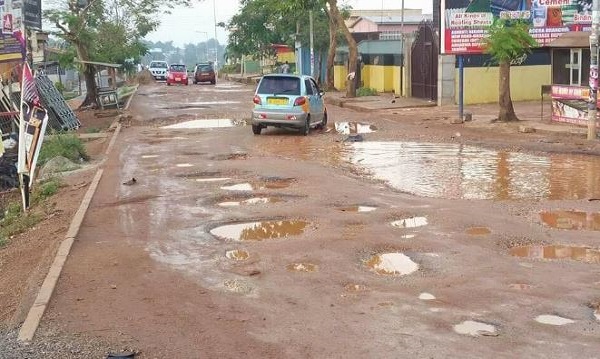
Communities across Africa face challenges including unplanned development, inadequate infrastructure, waste, environmental degradation, limited public spaces, congestion, housing pressures and vulnerability to environmental and social risks. Applied Estate seeks to encourage practical community-based approaches that can make neighbourhoods cleaner, safer, more organized, environmentally responsible and better prepared for the future.
From Community Needs to Community Action
Applied Estate is designed to help communities become active participants in their own development. Rather than waiting for every solution to come from outside, residents can identify challenges, discuss priorities, organize activities, build partnerships and contribute resources or skills toward practical improvements.
The initiative can bring together young people, residents, community leaders, local organizations, professionals, businesses and development partners to work on projects that create visible and lasting community benefits. It also encourages young people to explore sustainable urban development as a field for learning, innovation, entrepreneurship, research and leadership.
Key Areas of Action
Community Planning
Encouraging residents, youth groups, institutions and community organizations to participate in identifying local needs and developing practical ideas for improving their communities. Community planning can address issues such as public spaces, mobility, sanitation, safety, environmental protection and local infrastructure.
Waste Management
Promoting responsible waste generation, separation, collection, reuse, recycling and recovery. The initiative encourages communities to view waste management not only as a sanitation responsibility but also as an opportunity for environmental protection, resource recovery and local enterprise.
Green Spaces
Encouraging the creation, protection and responsible use of trees, gardens, parks and other green areas that contribute to healthier and more attractive communities. Green spaces can support recreation, environmental education, biodiversity and community well-being.
Sustainable Settlements
Promoting awareness of approaches to settlement development that consider environmental responsibility, accessibility, resilience, resource efficiency and the long-term needs of residents.
Community Improvement Projects
Supporting practical projects that respond to locally identified challenges. Activities may include environmental clean-ups, community beautification, tree planting, public-space improvement, sanitation activities, awareness campaigns and other community-led initiatives.
Our Approach
OBSERVE → IDENTIFY NEEDS → PLAN → COLLABORATE → IMPLEMENT → IMPROVE → MAINTAIN → BUILD RESILIENCE
Our Goal
Applied Estate seeks to contribute to communities where people are empowered to participate in shaping their surroundings and where development considers people, environment, infrastructure and long-term resilience.
By promoting community planning, responsible waste management, green spaces, sustainable settlement practices and local improvement projects, Applied Estate contributes to SDG 11 -- Sustainable Cities and Communities while supporting broader goals related to environmental sustainability, health, inclusion, employment, resilience and quality of life.